
1. Why Choose Zinc Die Casting
Zinc die casting offers a unique combination of speed, accuracy, tool life, and cost-effectiveness that makes it ideal for small to medium-sized metal parts. Whether you need decorative hardware, precision connectors, or complex mechanical components, zinc offers advantages that other casting processes cannot match.
Hot Chamber Speed
Cycle times as fast as 15 seconds per shot make zinc the fastest die casting process. Ideal for high-volume production where cost per piece depends on rapid output and efficient tool usage.
Tightest Tolerances
Achieve plus or minus 0.001 inches with zinc, the tightest tolerance capability of any die casting process. Hot chamber injection and zinc's low melting point enable dimensional accuracy that reduces secondary machining.
Longest Tool Life
Zinc dies produce 1 million or more shots before needing replacement, far exceeding aluminum or magnesium. Lower thermal stress from zinc's melting point reduces die wear and extends tool life dramatically.
Multi-Slide Capability
Specialized multi-slide machines close 4 slides simultaneously to form complex parts from multiple directions. Ideal for intricate hardware and mechanical components with minimal draft requirements.
When zinc is the right choice
Zinc excels for decorative hardware, precision connectors, small mechanical parts, and components requiring excellent surface finish and plating. It is ideal when you need tight tolerances without costly secondary machining.
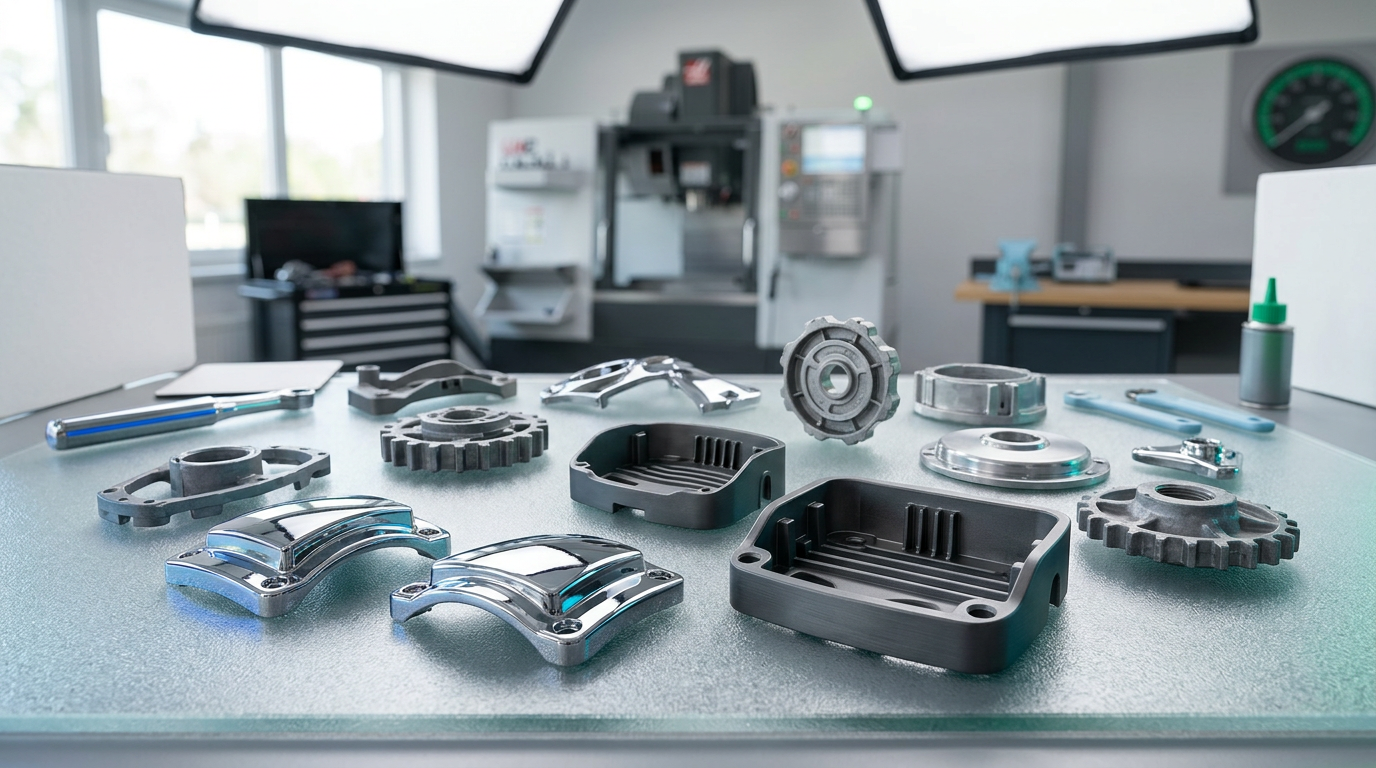
2. Hot Chamber vs Multi-Slide: Which Zinc Process Do You Need?
Zinc die casting has evolved beyond traditional hot chamber machines. Understanding the capabilities of each process helps you choose the right manufacturer for your part.
Hot Chamber Process
The injection mechanism stays submerged in molten zinc. A hydraulic piston forces metal directly from the furnace into the die cavity.
- Cycle time: 15 to 30 seconds
- Tolerance: to plus/minus 0.001"
- Tool life: 500K to 1M+ shots
- Metals: Zinc alloys (Zamak)
- Best for: Hardware, connectors, small parts
Multi-Slide Process
Four die slides close simultaneously to form complex features from multiple angles in a single shot. No need for draft angles on slide-formed surfaces.
- Cycle time: 20 to 60 seconds
- Tolerance: to plus/minus 0.002" to 0.003"
- Tool life: 500K to 1M+ shots
- Metals: Zinc alloys (Zamak)
- Best for: Complex hardware, locks, mechanisms
Pro tip
Multi-slide is a specialized skill. Not all zinc manufacturers have multi-slide capability. If your part requires intricate features with minimal undercuts, ask specifically if the supplier has multi-slide machines and experience with your part type.
3. Choosing the Right Zamak Alloy
Zamak alloys dominate zinc die casting. Each has distinct properties that affect part performance, cost, and manufacturability. Choosing the right alloy is critical to part success.
| Alloy | Strength | Castability | Best Applications |
|---|---|---|---|
| Zamak 3 | 41 ksi | Excellent | Most popular, lowest cost. Hardware, connectors, decorative parts, plating. |
| Zamak 5 | 48 ksi | Excellent | Higher strength and hardness. Load-bearing parts, wear surfaces, mechanical components. |
| Zamak 2 | 46 ksi | Good | High copper content for enhanced hardness. Complex shapes, intricate features. |
| ZA-8 | 62 ksi | Good | Aluminum-zinc alloy. High strength, wear resistance, thin-wall capability. |
| ZA-27 | 75 ksi | Fair | Highest strength in zinc family. Demanding structural parts, military applications. |
Pro tip
Start with Zamak 3 unless your performance requirements demand Zamak 5 or the high-strength ZA alloys. The cost savings and superior castability of Zamak 3 make it the default choice for most applications. Upgrade only when stress analysis confirms you need higher strength.
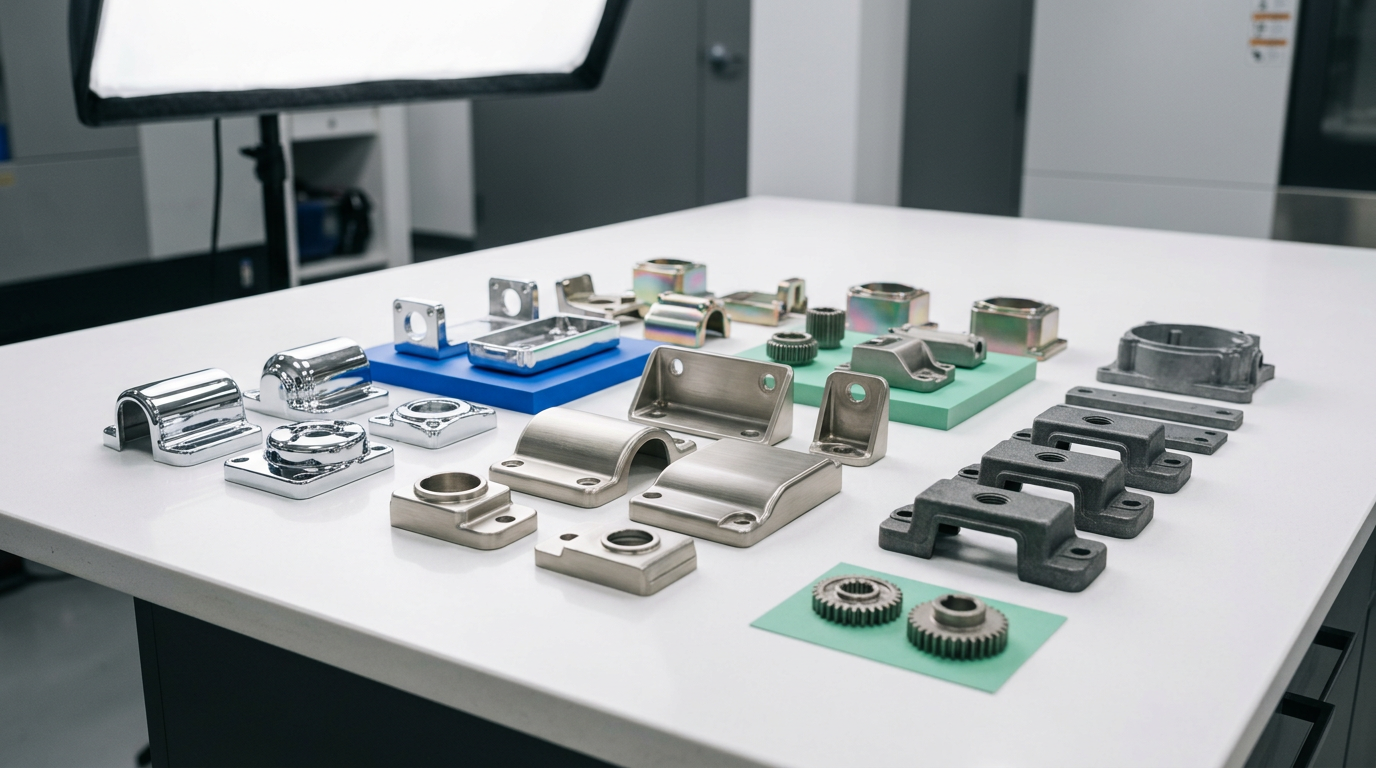
4. Understanding Zinc Die Casting Tooling Costs
Tooling is the largest upfront investment in zinc die casting. Understanding what drives costs for zinc specifically helps you budget accurately and evaluate supplier quotes.
Part complexity and slide count
Hot chamber parts are simpler, but multi-slide parts with 4 slides require more intricate die construction, adding significant cost.
Number of cavities
Multi-cavity dies produce multiple parts per shot but cost proportionally more. A 4-cavity die costs roughly 3 to 4 times more than a single cavity.
Zinc advantages lower costs
Zinc dies experience less thermal stress than aluminum dies, reducing the need for expensive tool steel grades. This makes zinc tooling inherently more economical.
Tolerance and surface finish demands
Tighter tolerances and specific surface finishes require more precise die machining and polishing, adding cost and development time.
| Tooling Type | Cost Range | Best For |
|---|---|---|
| Prototype die, single cavity | $5,000 to $15,000 | Design validation, testing, 100 to 5,000 parts |
| Production die, single cavity | $15,000 to $40,000 | Low to medium volume production, standard complexity |
| Production die, multi-cavity | $40,000 to $100,000+ | High-volume production, 4 to 8 cavities, lowest per-part cost |
Watch out
Even though zinc tooling is inherently less expensive than aluminum, do not sacrifice quality to save tooling cost. Poor die design leads to higher scrap rates, dimensional drift, and premature tool failure. A well-engineered die pays for itself many times over.
5. How to Evaluate a Zinc Die Casting Manufacturer
Use this evaluation framework to find a zinc manufacturer that understands your requirements and can deliver consistent quality:
Zinc Experience
Do they specialize in zinc die casting? How many years? What is their installed base of hot chamber machines? Do they have multi-slide capability?
Quality Certifications
ISO 9001 minimum. IATF 16949 for automotive. What testing equipment (CMM, spectrometer)? Do they maintain process controls for Zamak 3 vs 5?
In-House Tooling
Do they design and machine dies in-house? Do they offer DFM review? Can they simulate mold fill for complex parts?
Secondary Operations
Can they handle finishing (polishing, plating, painting, powder coat) and assembly in-house? This simplifies coordination.
Industry References
Can they provide references from your industry? What are their on-time delivery rates and quality rejection rates?
Communication and Support
How quickly do they respond? Dedicated project managers? How do they handle engineering changes and production issues?
A facility tour is invaluable. Seeing their hot chamber and multi-slide equipment, tool room, and quality lab tells you far more than brochures. Ask specifically about zinc expertise and tool maintenance practices.
6. Writing an Effective RFQ for Zinc Die Casting
A well-written RFQ for zinc parts ensures you get accurate quotes, realistic timelines, and honest assessments of manufacturability. Here is what to include:
3D CAD File
STEP or IGES format with all critical dimensions clearly marked
2D Drawing with GD&T
Tolerances, surface finish requirements, and material callout (Zamak 3 or 5)
Zamak Alloy Specification
Zamak 3, 5, 2, or ZA alloy with mechanical property requirements
Annual Volume and Timeline
Expected quantities per release and production schedule
Surface Finishing Needs
Plating type, paint, powder coat, polishing, or as-cast requirements
Quality and Inspection
Certifications needed, inspection level, and first article inspection requirements
Pro tip
Send your RFQ to 3 to 5 qualified zinc die casters. Fewer than 3 does not provide enough pricing comparison. More than 5 creates noise. Ask each supplier to specify which Zamak alloy they recommend and why, as this reveals their technical depth.
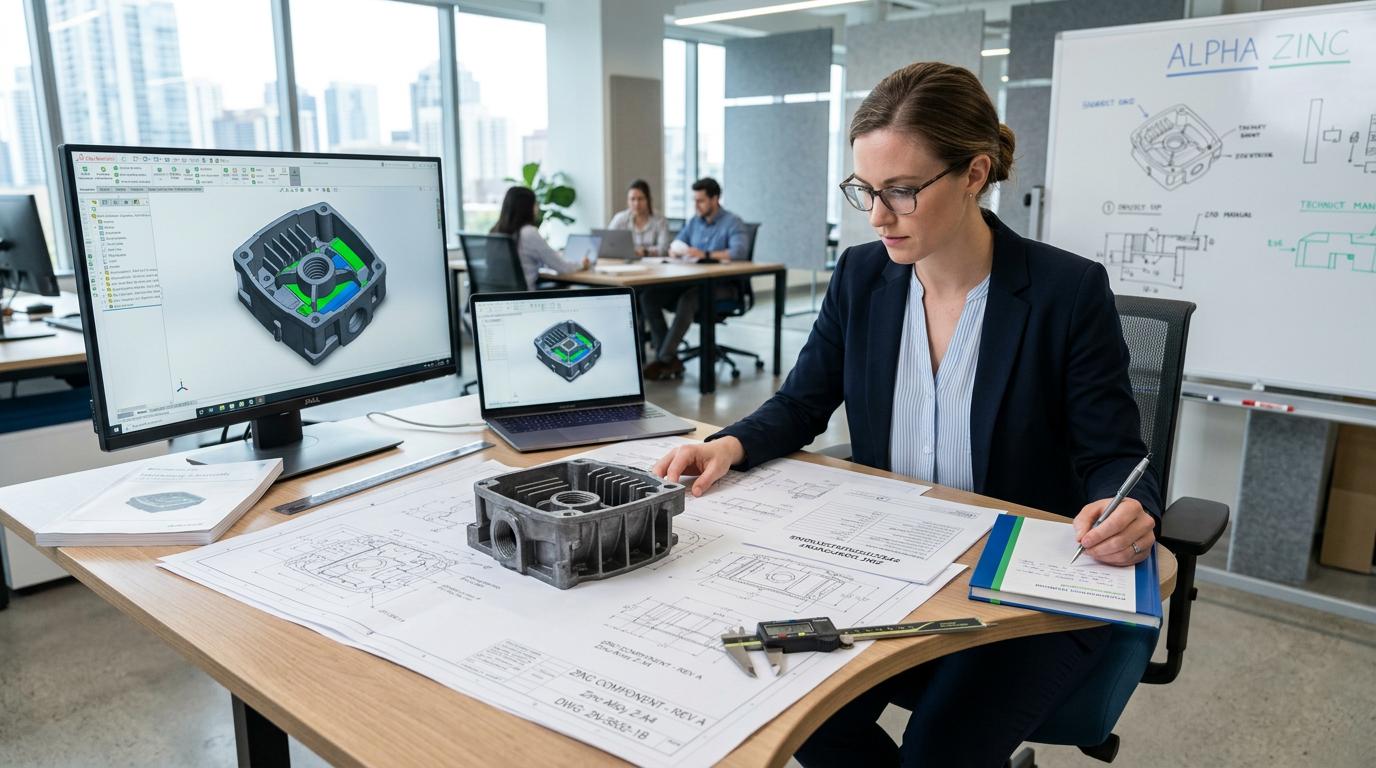
7. Common Mistakes When Sourcing Zinc Die Casting
After working with hundreds of manufacturing buyers, we see patterns in zinc sourcing mistakes. Avoid these and you will save significant time and money:
Choosing on price alone
The cheapest zinc die caster is rarely the lowest total cost. A supplier quoting 30 percent less often has old equipment, poor quality control, or cuts corners on tool design. This leads to scrap, delays, and frustration. Evaluate the full package: tooling quality, lead time, quality commitment, and communication.
Not specifying the right alloy upfront
Starting with vague alloy requirements leads to delays and potential re-tooling if you later need Zamak 5 instead of Zamak 3. Clarify strength, hardness, and corrosion resistance requirements before the RFQ goes out. A good supplier will help you choose, but make your needs clear.
Assuming all zinc manufacturers have multi-slide capability
Many zinc shops run only standard hot chamber equipment. If your part needs multi-slide processing, ask directly and confirm they have machines and experience. Sending a multi-slide part to a hot chamber-only shop wastes time in the RFQ process.
Ignoring surface finish and plating compatibility
Zinc parts destined for plating need smoother as-cast surfaces and specific polish specifications. Not clarifying finish requirements upfront causes delays in secondary operations. Specify plating type (nickel, chrome, brass) early so the supplier knows what surface prep is needed.
Single-sourcing a complex part
Relying on one zinc die caster with no backup creates risk. For critical parts, qualify a second source or ensure your tooling can move to another manufacturer. Zinc die casting is specialized enough that not every shop is a good fit.