
1. When to Use Aluminum Die Casting (and When Not To)
Aluminum die casting is one of the most versatile and cost-effective manufacturing processes for producing lightweight metal components at high volumes. However, it is not the right fit for every application. Understanding when aluminum die casting excels will help you make informed sourcing decisions and avoid costly mistakes.
Cold Chamber Process
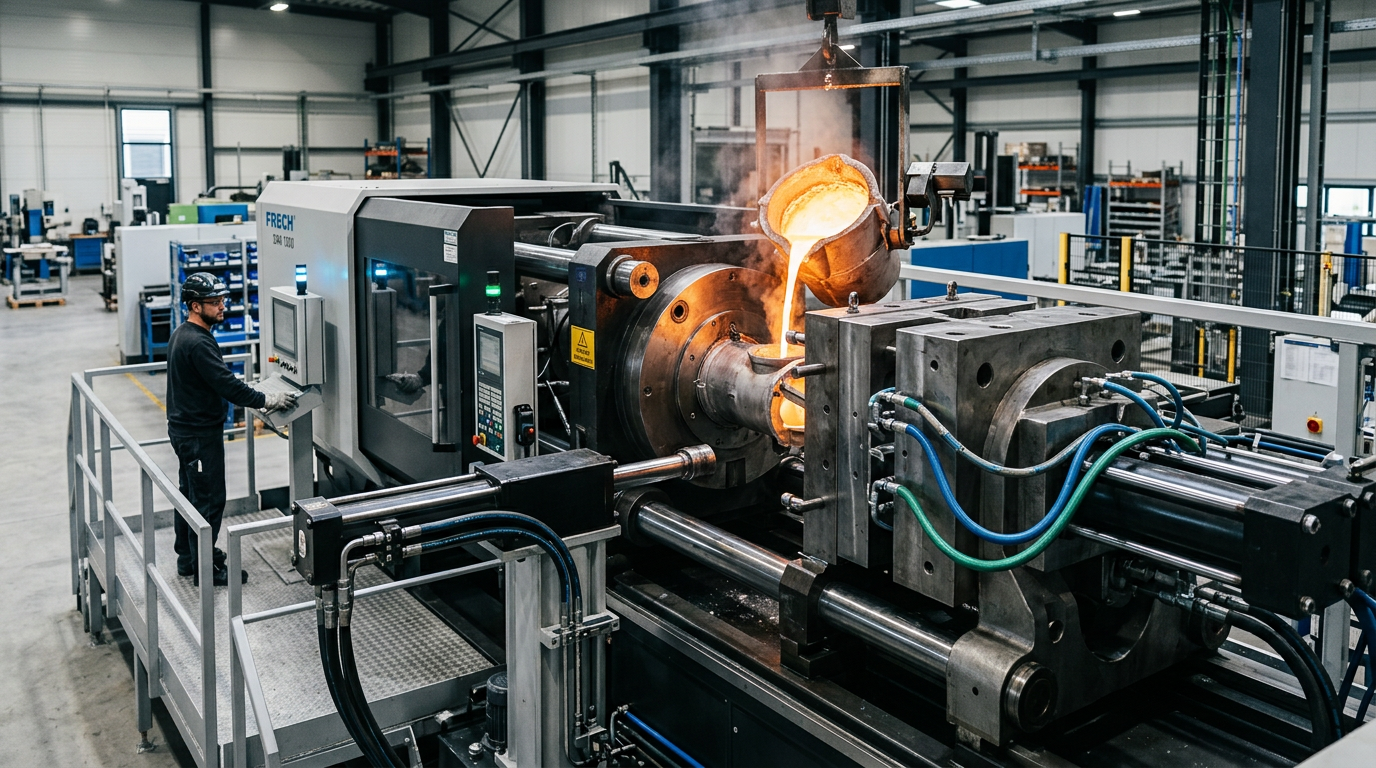
Aluminum die casting requires the cold chamber process where molten aluminum is ladled into the sleeve for each shot. This allows high-precision production of aluminum parts with excellent detail capture and consistent quality at volumes above 1,000 pieces per year.
Lightweight Strength
Aluminum alloys deliver strength-to-weight ratios superior to zinc or brass, making them ideal for aerospace, automotive, and portable equipment applications where weight reduction and performance are critical requirements.
Corrosion Resistance
Aluminum forms a natural oxide layer that resists corrosion, making it excellent for marine, outdoor, and chemical processing equipment. Additional protective coatings and anodizing further enhance durability for harsh environments.
Cost at Volume
Once tooling is built, aluminum die casting achieves low piece prices at high volumes. The fast 20 to 40 second cycle times and reusable dies spread fixed costs across large production runs, making per-unit cost highly competitive above 5,000 annual units.
When to consider other processes
If you need fewer than 500 parts, aluminum die casting tooling investment is hard to justify. Sand casting or aluminum machining may be more economical. For extremely large parts exceeding machine capacity, or applications requiring iron or steel, forging or investment casting may be better options.
2. Understanding the Cold Chamber Process
Aluminum die casting exclusively uses the cold chamber process because of aluminum's high melting point and reactivity with molten metal. Understanding how this process works helps you appreciate why aluminum die casting offers unique advantages for your application.
How It Works
Molten aluminum at 1,200 to 1,300 degrees Fahrenheit is ladled from a holding furnace into a cold injection sleeve. A hydraulic plunger then forces the metal into the die cavity at pressures between 4,000 to 10,000 PSI, filling the cavity in less than 100 milliseconds.
- Metals: Aluminum alloys exclusively
- Cycle time: 20 to 40 seconds per shot
- Tolerance: plus or minus 0.002 inches
- Tool life: 100K to 200K shots typical
- Best for: Complex housings, structural parts
Why Cold Chamber
Cold chamber is mandatory for aluminum because the injection mechanism sits outside the metal bath. Dies require expensive H13 tool steel to withstand the thermal cycling stress of heating and cooling. Pressure intensifiers and vacuum assist options improve quality and eliminate porosity defects.
- Thermal stress: 300 to 500 degree swings
- Die materials: H13 tool steel required
- Vacuum assist: Reduces porosity, enables heat treatment
- Multi-cavity dies: 2 to 8 cavities per shot
- Surface finish: Excellent as-cast surface quality
Pro tip
Verify your aluminum die caster has vacuum-assist capability if your application requires pressure-tight or heat-treatable parts. Vacuum-assisted aluminum die casting eliminates subsurface porosity and enables T6 heat treatment for increased strength, though at higher piece cost.
3. Choosing the Right Aluminum Alloy
Aluminum alloy selection dramatically affects part performance, tooling life, casting quality, and cost. The most common die casting alloys represent the best balance of castability and strength for high-volume production. Here is a guide to aluminum die casting alloys most manufacturers stock:
| Alloy | Strength | Castability | Best Applications |
|---|---|---|---|
| A380 | 47 ksi | Excellent | General purpose, most widely used, cost-effective |
| A383 / ADC12 | 45 ksi | Excellent | Thin walls, complex geometry, consumer electronics |
| A360 | 46 ksi | Good | Corrosion resistance, pressure-tight castings |
| A413 | 48 ksi | Excellent | High silicon for wear resistance, engine blocks |
| B390 | 52 ksi | Good | Maximum hardness and wear resistance, brake components |
Pro tip
A380 is the default choice for cost-sensitive applications due to excellent castability and widespread availability. If your part requires superior corrosion resistance, specify A360. For wear-resistant or high-hardness applications, A413 or B390 offer superior performance despite higher cost and more challenging casting characteristics.
4. Understanding Aluminum Die Casting Tooling Costs
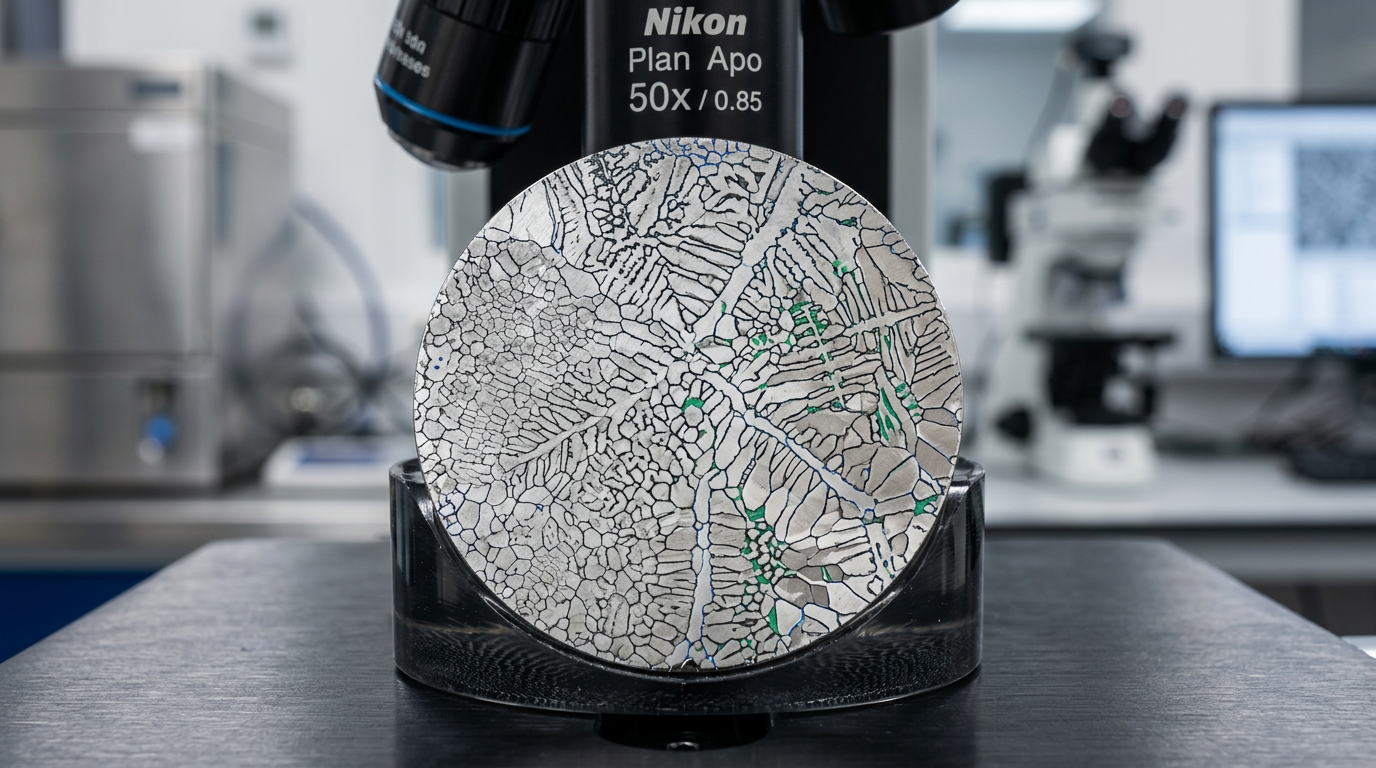
Tooling represents the largest upfront investment in any aluminum die casting project. Aluminum creates unique tooling challenges due to the thermal stress of molten metal and the precision requirements for complex parts. Understanding tooling cost drivers helps you budget accurately and evaluate supplier quotes.
Part complexity and cavity count
Complex aluminum parts with thin walls, deep pockets, and undercuts require intricate die inserts, cores, and sliding actions. Multi-cavity dies that produce 4 or 8 parts per shot multiply die machining time and cost but reduce per-unit production cost significantly.
Die material selection and thermal analysis
H13 tool steel is mandatory for aluminum dies because of thermal cycling stress. Cooling line design and placement is critical to maintain uniform die temperatures and prevent thermal cracking. Mold flow simulation and heat transfer analysis add cost but prevent expensive die modifications during production.
Part size and machine requirements
Larger aluminum parts require higher tonnage machines and larger dies. Machine tonnage ranges from 400 to 4,500 tons for aluminum. A simple small housing might need only a 400-ton machine, while a large automotive component could require 1,500 tons or more, directly affecting available supplier capacity.
Vacuum assist and advanced features
Vacuum-assist dies cost 20 to 40 percent more than standard dies but eliminate porosity and enable heat treatment. Squeeze pins, cores with motion, and complex ejector systems add die complexity and cost. Advanced features are justified only when part requirements demand them.
| Tooling Type | Cost Range | Best For |
|---|---|---|
| Prototype aluminum die | $5,000 to $20,000 | Design validation, 100 to 2,000 parts |
| Production die, single cavity | $20,000 to $60,000 | Medium volume production, 1,000 to 10,000 parts |
| Production die, multi-cavity | $50,000 to $150,000+ | High-volume production, 50,000+ annual parts |
Watch out
Aluminum die tooling quotes that seem unusually low often indicate shortcuts in H13 steel quality, inadequate cooling line design, or insufficient thermal analysis. A poorly designed aluminum die will experience thermal cracking, shortened tool life, and production problems during the first few thousand shots. Invest in proper die engineering upfront.
5. How to Evaluate an Aluminum Die Casting Manufacturer
Use this comprehensive evaluation framework to confidently select an aluminum die casting supplier that meets your technical requirements, quality standards, and business needs:
Machine Tonnage
What range of machine tonnage do they operate? Aluminum machines typically range from 400 to 4,500 tons. Confirm they have appropriate tonnage for your part weight and cavity count.
Vacuum Capability
Do they offer vacuum-assisted die casting? This capability is essential if you need pressure-tight parts or parts that require T6 heat treatment for higher strength.
Quality Certs
ISO 9001 is essential. IATF 16949 required for automotive. AS9100 for aerospace. What inspection equipment (CMM, spectrometer, X-ray)?
Secondary Ops
Can they handle CNC machining, anodizing, powder coat, painting, assembly, and testing in-house to simplify your supply chain?
Engineering Support
Do they offer design-for-manufacturability review? Mold flow simulation? Can they suggest alloy changes or part redesigns to reduce cost?
Communication
How quickly do they respond to inquiries? Do you have a dedicated project manager? How do they handle engineering changes and production issues?
Schedule a facility visit before committing to major tooling investment. A plant tour reveals capacity, equipment condition, worker expertise, quality culture, and organizational capability far better than any website or brochure ever could.
6. Writing an Effective RFQ
A well-structured RFQ gets you faster responses, better quotes, and more accurate pricing. Include all critical information so suppliers can provide comprehensive cost estimates and timeline projections without multiple follow-up questions:
3D CAD File
STEP or IGES format with all critical dimensions and features clearly defined
2D Drawing with GD&T
Geometric dimensioning and tolerancing, surface finish callouts, and alloy specification
Material Requirements
Alloy grade (A380, A383, etc.), temper condition, and any special material certs
Annual Volume
Expected annual quantity and planned release schedule over 3 to 5 years
Secondary Operations
CNC machining, anodizing, powder coat, painting, assembly, testing requirements
Quality Standards
Required certifications, inspection level, material testing, and reporting expectations
Pro tip
Send your RFQ to 3 to 5 qualified aluminum die casters. Fewer than 3 suppliers does not provide sufficient pricing comparison. More than 5 creates noise and dilutes individual supplier attention. Request quotes broken down by tooling cost, per-piece cost, and secondary operations so you can compare apples to apples.
7. Common Mistakes Aluminum Die Casting Buyers Make
After years of working with manufacturing buyers, we see the same sourcing mistakes repeated. Learn from these common pitfalls and avoid the costly consequences:
Overlooking vacuum-assist capability
Many buyers overlook vacuum assist until quality issues appear in production. Standard HPDC aluminum parts contain gas porosity that prevents heat treatment. If your application needs T6 heat treatment or pressure-tight parts, specify vacuum assist in your RFQ to ensure the supplier quotes appropriate equipment.
Choosing alloy based on price alone
A380 is cheapest but not always the best choice. A383 castability is superior for thin walls. A360 offers better corrosion resistance. B390 provides maximum hardness for wear applications. The right alloy for your application may cost slightly more but eliminates design rework and quality problems.
Skipping design-for-manufacturability review
Launching tooling without DFM is expensive insurance to skip. A thorough review catches draft angle deficiencies, undercut problems, gate location concerns, and thermal gradient issues before they become $10,000 to $30,000 die modifications or scrap.
Accepting vague die ownership terms
Clarify tooling ownership, maintenance responsibility, and disposition rights before paying for the die. Get everything in writing. Some suppliers claim die ownership and refuse to release it if you switch manufacturers, creating supply chain lock-in and negotiating disadvantages.
Single-sourcing without backup supply
Relying on one aluminum die caster creates significant supply chain vulnerability. For critical production parts, develop a qualified second source or ensure your tooling can be transferred to another manufacturer if the primary supplier fails or experiences capacity constraints.